
All stops

The Road to UNBOUND Office Hours - Build Your Own Harness, or Outsource Your Understanding?

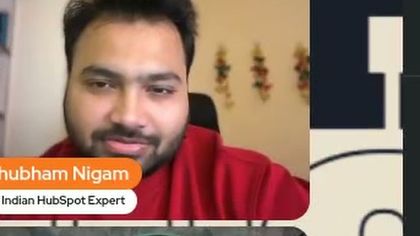
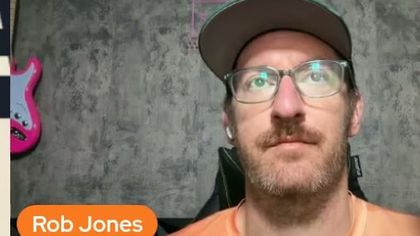
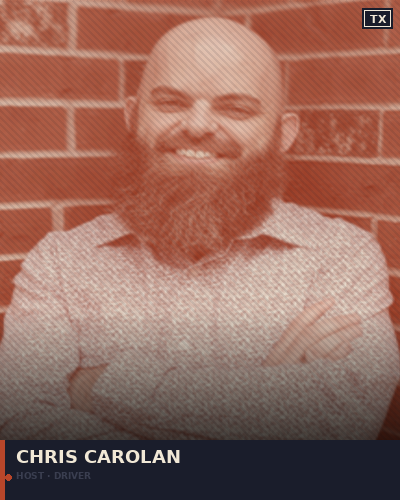
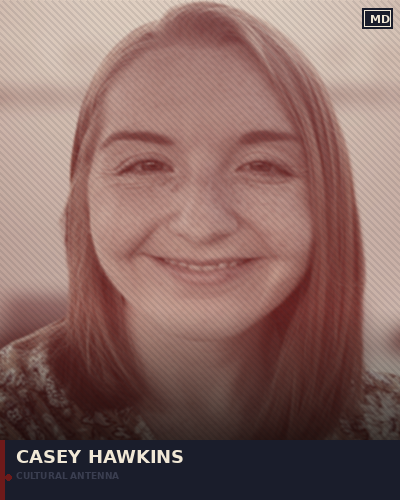
Hosts: Rob Jones, Chris Carolan, Casey Hawkins, George B. Thomas ยท Guest: Shubham Nigam

August 13, 2026 ยท 59:33

The first Office Hours on the road to Boston, and it belonged to the guest.

Shubham Nigam arrived having genuinely wondered whether this was a bus trip. "Maybe some five co-hosts will be there, they will be entertaining on during this bus journey." Ten years in the HubSpot ecosystem, three trips to the event, and he came with two real questions and the nerve to ask both.

The first is the one every architect is circling. Business users are building their own tools now, so, in his words, "there are less inquiries come to me." His own answer was to move up: build the more complex things, the logic nobody vibe-codes on a Tuesday. But he pushed further than that. If your workflow calls out to an agent, you have taken on a second dependency on top of HubSpot, and when that agent's servers go down your workflow goes with it. So why not spend the tokens once, build your own app with the same logic, and own the thing outright?

Rob Jones reframed it into the sentence the room needed: how come humans aren't using Claude Code to build their own Claude Code harness so they don't need the harness anymore? Then he answered it with a boat. Better to have a friend with one than to own one, because ownership is maintenance, and every hour spent maintaining the thing you built is an hour not spent on the customer it was built for.

Chris Carolan took it somewhere less comfortable. We have been here before, and we did not cover ourselves in glory: fifty percent CRM adoption, PLG plug-and-play, big agency money, all of it spent trying to buy our way out of human-led dysfunction. No technology solves change management. What AI does is reveal the problem faster and far more cheaply, which is the same lesson arriving in a new outfit.

George B. Thomas declined the premise entirely. He is not passionate about harnesses, he is passionate about content, education, and entertaining the humans who are bored out of their minds keeping up with HubSpot, so that is what he points AI at. Then he and Chris spent a genuinely good five minutes disagreeing about what the word even means.

Casey Hawkins found the load-bearing question underneath all of it. The risk is not outsourcing the building. It is outsourcing the understanding. You can hand AI your ability to think and to communicate, and the day the model is down or wrong you have to explain a thing you never understood. She put herself on the wrong side of it on purpose: she is the average person who wants AI for convenience, and she regularly spends thirty minutes getting AI to find a workflow she could have opened herself.

That produced the most practical moment in the hour. On live client work this week the team was two hundred steps ahead, weighing a custom agent that would read the record and write a note, before a fourth human said: what if we just made it visible? A CRM index page. No credits, no agent, problem solved. An index page still goes a long way.

It closes where it started, with Shubham. He is building a monitoring tool on weekends because he has spent years afraid of what a rogue access token quietly did to a property, and a broken property breaks every workflow behind it. Chris's read: all of it comes back to visibility, because you cannot pay attention to what you cannot see, and fear is what fills the gap. Rob's parting advice was to enjoy the struggle, because that particular frustration is where most good things in this ecosystem came from.

And the last word is Shubham's, a decade in, saying he is moving toward training and toward building the tools he wishes he had had. "I haven't discussed anything about this with anyone." That is why the show exists. It accepts hitchhikers.

Moments from this stop

15 short cuts from this conversation.
1:19Rob JonesRob JonesThink of yourself as an AI orchestrator0:40Rob JonesRob JonesWhat Shubham thought the show was0:34Rob JonesRob JonesFewer inquiries reach the architect1:04Rob JonesRob JonesBetter to have a friend with a boat0:52Rob JonesRob JonesThe Greyhound who refused to carry the mail1:52Rob JonesRob JonesNo technology solves human-led dysfunction

Key takeaways

Fewer inquiries reaching the architect is not the role ending, it is the role moving up.

Shubham's own response to business users building their own automations was to go build the harder logic underneath.

Owning your own tool to escape a dependency just relocates the dependency onto you.

Rob's version: better to have a friend with a boat than a boat yourself, because ownership is maintenance and maintenance is time not spent on the customer.

No technology solves human-led dysfunction.

Chris's argument is that we spent twenty years and a lot of money proving this with SaaS; AI is the same lesson, only it exposes the problem faster and cheaper.

The real risk is not outsourcing the building, it is outsourcing the understanding.

If AI does the thinking and the handoff includes ownership of knowing why, you are stuck the moment it is wrong or unavailable.

Point AI at what you are actually passionate about.

George is not building a harness because he is not interested in harnesses; he is interested in teaching humans, so that is where the leverage goes.

An index page often beats a custom agent.

Faced with intent signals and a proposed agent to summarise records, the answer was visibility first, which cost no credits and solved it.

Not all friction is good or bad by default.

Recording a call for compliance is friction worth automating away; paying attention in it is friction that belongs to the human. Decide deliberately which is which, and for whom.

Attention is the last scarce resource.

Time and energy are fixed, but attention is the thing we still choose, and it should be spent where judgment and taste are needed.

Visibility is what removes fear from a system.

Nobody asks for help so their sales team stops being afraid, but that is frequently the actual fix, and it is what Shubham is building for himself on weekends.

Chapters

  1. 00:00Is this an actual bus? The guest's first impression
  2. 02:00The first Office Hours, and no prep at all
  3. 04:45What Shubham wants from Dharmesh's main stage
  4. 06:15Ten years in, and fewer inquiries reach the architect
  5. 08:20The admin has evolved before: automation, CRM, agentic
  6. 10:00Your job is making other people ask what's next
  7. 12:09Mentee and mentor at once, and the week Cursor changed things
  8. 13:40Chris: from what's next to what's possible
  9. 18:04Two hundred Breeze updates, and one sparkle is all it takes
  10. 20:00Shubham's question: own the app instead of depending on the agent?
  11. 22:20Better to have a friend with a boat
  12. 24:01No technology solves human-led dysfunction
  13. 26:20George: I'm not passionate about harnesses
  14. 30:00So what is a harness, actually?
  15. 31:00Casey: the risk is outsourcing understanding
  16. 34:01The CRM index page that beat the custom agent
  17. 36:09The Greyhound who refused to carry the mail
  18. 39:00How fast we jump two hundred steps ahead
  19. 42:11Knowing when not to reach for AI
  20. 45:30Friction control: not all friction is bad
  21. 48:40Attention is the last scarce resource
  22. 50:40Shubham's second question: who changed my property values?
  23. 54:27It all comes back to visibility
  24. 56:40Enjoy the struggle. It'll be useful to more people than you
  25. 58:00A decade in, and what he's moving toward

Transcript

This transcript was generated by AI and may contain errors. It is provided to help you skim and search the conversation.

The guest

Shubham Nigam

Keep learning

That's one stop. The road keeps going.

New episode every Wednesday, 10am Central โ€” all the way to Boston.

Get the next stop in your inbox

One note when a new episode lands. No noise.

Join the ride
For the guests
Get your clips from this stop โ†’

All 15 cuts on one page, each with a ready-to-post caption and a download. Nothing to edit.

On the bus
Rob Jones portrait
Rob Jones
Tour Guide
Chris Carolan portrait
Chris Carolan
Driver
Casey Hawkins portraitMD
Casey Hawkins
Cultural Antenna
George B. Thomas portrait
George B. Thomas
Hallway Philosopher