

The Road to UNBOUND - Season 2, Third Stop: Why Don't People Ask for Help: Trust, a Witness, and Where Your Worth Comes From
- Rob JonesHost
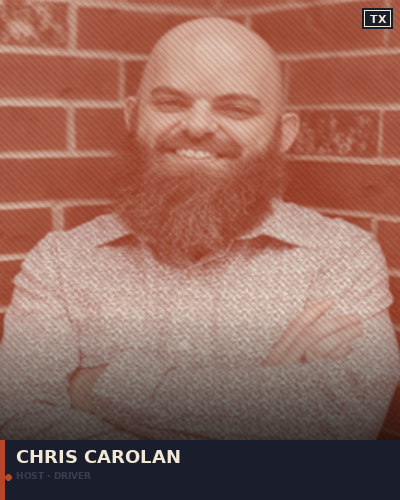
- Chris CarolanHost
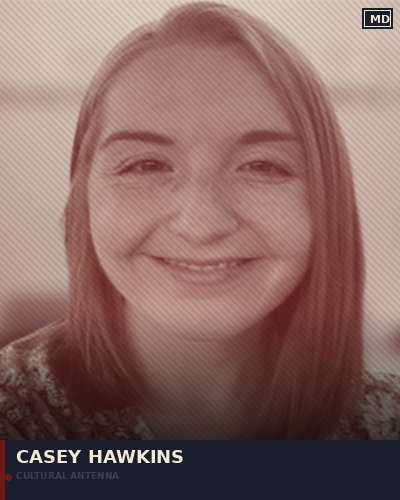
- Casey HawkinsHost
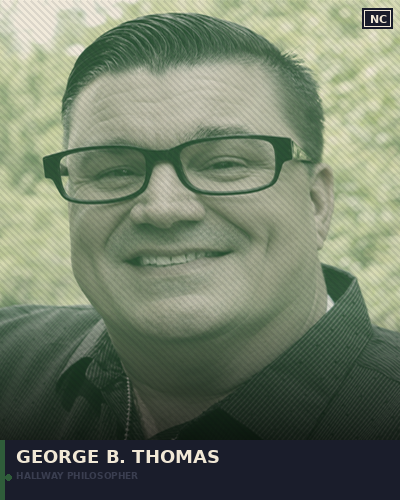
- George B. ThomasHost
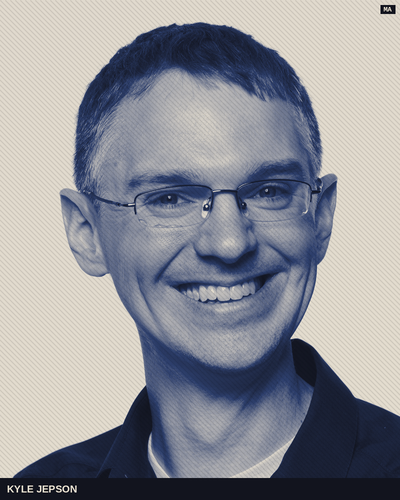
- Kyle JepsonHost
October 21, 2026

Rob Jones drove the third stop of the second season with Kyle Jepson, George B. Thomas, Chris Carolan and Casey Hawkins, and he brought a question out of the green room: "why don't people ask for help?" Chris gave the context. The hour was meant to pick up Casey's point from last week, that when you are not part of the process it is easy to become disconnected and show up unprepared. But after a lot of questions, including at Kyle's admin HUG (HubSpot User Group) the day before, Chris found it hard not to answer everyone with "have you asked AI yet? Or have you asked Claude? Or have you asked Breeze?" His bet for the hour: "I think this ability or lack thereof to ask for help is one of the things that we might be able to help people with."
George went to trust first: "the first word that actually comes to mind is trust." He trusts the assistant he has been building, and he said that kind of trust only comes from a journey that people won't start without it. Casey said the same thing had just come up in client conversations of hers, and George told her that "what you're doing is you're going on an educational journey together." Casey heard what those conversations had been missing: "start with using AI for things that you're actually comfortable with." George had done exactly that, using AI "at the beginning to amplify who I am" as a content creator before he built the kind of systems he had never been good at. In those conversations she asked Breeze for the data on the call, and "both times they said, but how do I know that's right?" When she added that a lot of people don't know where to look, George's answer was to ask, check, and keep checking: "Guess what question you quit asking? Where do I go look at it? Because now you trust it."
Kyle took it toward the deep end. When AI runs an analysis he couldn't do himself, "I don't have the mathematical or data analysis skills to verify that myself personally," and it is startling to realize "you have now used a tool to create something that you yourself cannot replicate or verify." Chris put a trust ladder on screen from an AI readiness series and suggested starting with understanding rather than action, asking Breeze to summarize what is on the screen so you know "I have the same understanding and we're aligned." He admitted where it gets hard. Reading what Claude Code had built for him, "who am I to say? Yes, that's good." Kyle called that an important insight and said the problem is older than AI. Sales leaders used to ask him for a single sales velocity number, and now that AI hands people a number, they ask whether they can trust it: "They should have been asking that all along. This is not an AI problem. This is a problem about how we measure success."
Chris's own answer was to stop pretending to review code. He told Claude, "you just get the page published and I'm going to check it there," and he sends a screenshot when it isn't what he wants. His takeaway was to tell your assistant what is actually going on, the way Casey had described feeling unprepared last week: "Have you shared that with your AI assistant?" Rob pushed back: "We're skipping the foundational question and assuming trust and talking about trust." His contention: "Why don't people ask for help? It's a status transaction. It reveals a gap in front of a witness. So the upside to Claude and LLMs is there is no witness." He once asked for help on Facebook as an experiment, and it didn't go very well.
George answered with the difference between a handout and a hand up: "asking is a hand up. It's not a handout." He isn't afraid of showing up without knowing what he's talking about, he said, because he reads along the way, and he watches his agent work in the browser "because then I can watch the work that it's doing and actually learn how it did the work." In his AI coaching he taught someone to start building a second brain, and the deliverable at the end was a user manual for it that he had the AI write. The same goes for work done in HubSpot: "you're not just delivering it to the client, you're reading it."
Rob brought it back to the question. Asking for help is "a product of the environment." When he is lost on the road, "I am not asking someone. I don't want to appear lost." The upside of Breeze, Claude and the connectors is that they are embedded where people already work: "Help is now a product that you can action in the environment that you're already in." Chris took that to psychological safety and to HubSpot adoption, where people clone their own spreadsheet so they are certain a change won't touch anyone else. As a coach, what works for him is to "just show it. Just show it happening on your screen, no pressure." Kyle pulled on that phrase. A first AI moment at work, with an answer you will have to present to someone else, is "an insanely high stakes environment to try to have your first foray into AI." His own came when a dish failed with friends on the way over for dinner and ChatGPT made him a recipe that fit the time and fed everyone, and "my job wasn't on the line." People, he said, "need some inspiration for the small version that they can get started with."
The hosts traded the moments AI won them over. George had a creator moment the first time he saw ChatGPT typing, and a builder moment on a long LinkedIn Live with Chris, working through what GitHub and Vercel are until the thing he was building was suddenly there. Chris described an AI collaborator that play-tests a game he built and covers the last mile he doesn't like doing: "Now I have an AI friend that is a collaborator." George told of a session where everyone was asked to use AI for something they had never done; the room said fear, and he said "excitement, because I was excited," and laid out a clickable app in the time they were given. His advice: "pick something that scares the crap out of you and allow yourself to go on the journey."
Rob took the hour to the deep end he had promised. People whose worth comes from the work before the last mile may not want to ask: "they don't want to give somebody an opportunity to get rid of their self-worth." Chris answered that tribal knowledge is human domain expertise, and with AI doing the building, "the only place it makes sense for the human to be is in the human domain expertise." George named the fundamental problem: "work should have never been your value or your worth." It gets easier, he said, "when you finally realize that you're not the smartest person on the planet and you never have been." Chris said he didn't know what next week's topic would be, and Kyle promised to bring anecdotes next time.
Moments from this stop
12 short cuts from this conversation.


Key takeaways
Trust takes a journey that people won't start without trust.
George B. Thomas: "there's just this level of trust that it can't happen unless you take a journey but they're not taking a journey because they don't have the trust."
Show people where to look.
Casey Hawkins, after clients asked how they could know an answer from Breeze was right: "but I think a lot of people don't know where. Ask, hey, where can I go look at this?"
Wanting one number you can trust is not new.
Kyle Jepson: "when that number is delivered to them, they're like, wait, how do I know if I can trust this? Right? They should have been asking that all along. This is not an AI problem. This is a problem about how we measure success."
Asking for help costs status.
Rob Jones: "Why don't people ask for help? It's a status transaction. It reveals a gap in front of a witness. So the upside to Claude and LLMs is there is no witness."
Help now lives where you already work.
Rob Jones: "The condition and the environment is a self-esteem indicator. … Help is now a product that you can action in the environment that you're already in."
Show it, without the pressure.
Chris Carolan, as a coach: "What's worked for me is just show it. Just show it happening on your screen, no pressure."
Make the first AI moment a low-stakes one.
Kyle Jepson: "I think for these people who are really resistant to AI, very often they're jumping in to a point where the stakes are just too high."
Your worth was never the work.
George B. Thomas: "The fundamental problem is work should have never been your value or your worth. … Your value, your worth should come from something way deeper."
Transcript
Keep learning
That's one stop. The whole road is here.
Wednesdays at 10am Central, from the first ride in April to Boston in September.
One note when a new episode lands. No noise.
All 12 cuts on one page, each with a ready-to-post caption and a download. Nothing to edit.
On the bus

 MD
 MA