

The Road to UNBOUND - Season 2, Second Stop: AI-Native Teaching and Learning: Ask for an Immersive Experience, Not a PowerPoint Deck
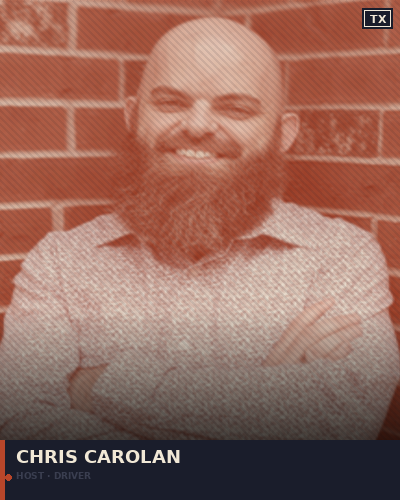
- Chris CarolanHost
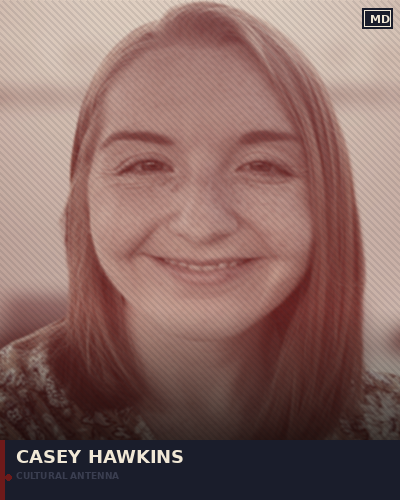
- Casey HawkinsHost
- George B. ThomasHost
- Kyle JepsonHost
October 14, 2026
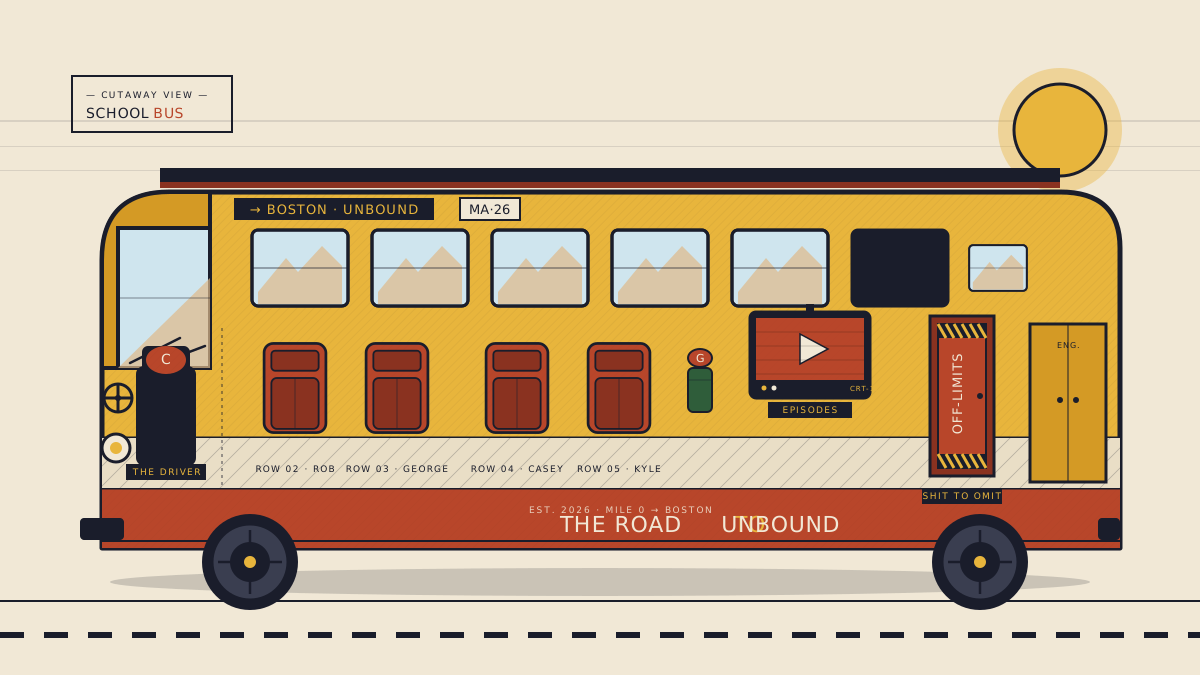
Chris Carolan opened the second stop of Season 2 on what unbound teaching and learning looks like now that "we can all create the most visual, the most engaging, the most experiential assets to help with teaching and learning." Kyle Jepson set expectations early: "I don't think we're going to have simple answers to anything we talk about today."
Chris drives this week with Kyle, George B. Thomas and Casey Hawkins; Rob Jones was not on. Chris started from feedback he keeps getting, "Chris, you need some slides," and his own doubt about the easy fix: "And I don't think just handing off slide decks is the answer either, right?"
Kyle, answering from HubSpot Academy's side, said video is great for learning a topic and terrible for reviewing one. Casey raised something she and Chris had talked about on Office Hours the day before: clips get attention, but "clips are not great for walking through things." George disagreed: a creator he follows teaches him in clips, because "it depends on the creator, but I also think it depends on the learner." Kyle's answer: "that's not because it's short form. It's because of where it's placed."
George told the story of his UNBOUND talk. His first, AI-focused submission was turned down, and the talk he built with the UNBOUND team instead, Stop Chasing Tactics, meant teaching himself first: deep research across several AI models, merged into one source of truth that he read and listened to. His assistant then built the presentation from the UNBOUND template and that research, and he submitted that first draft untouched: "Now, notice I, the human in the loop, had given it a massive amount of context." He turned the same context into a scorecard site and an interactive scorecard in the room, and before the hour was out his assistant was building a new deck on getting cited in AI answers.
Kyle got the same template and built his talks in HTML instead: feature tags pulled from HubSpot's product catalog and refreshed right after the HubSpot keynote, an interactive credits pricing tool, and setup guides as web pages rather than PDFs. "I defy anyone to build something like this in PowerPoint, right?" George asked everyone watching to take a page out of Kyle's book and put two words in the prompt: immersive experience. Kyle was honest about the cost, from sharing a file to putting it on a dashboard: "I want people to navigate with their eyes wide open."
Chris showed the same lesson inside Breeze. Asked for a PowerPoint, it gave him a PowerPoint, and the interactivity only arrived when he released that constraint and asked for HTML. "If you show up and say, I want a PowerPoint deck, you're going to get a PowerPoint deck." George then opened the deck his assistant had built while the show ran, with his brand, his characters and his full speaking notes.
Casey opened the can of worms the hour did not have time to close: "I find the struggle when I use AI to create decks like that is I get so disconnected from the content. It gets further ahead than I do." She said it was worth discussing next time.
Moments from this stop
10 short cuts from this conversation.


Key takeaways
Education is not one motion.
Kyle Jepson on why the same video can serve one moment and fail another: "When I'm learning a topic, video is great. When I'm reviewing a topic, video is terrible, right? … But I think education is not a single thing. There's not a single action or motion that is now we are educating, right?"
Clips get attention
walkthroughs teach. Casey Hawkins on the gap between the two: "Clips are all over social media. We care a lot about clips, but clips are not great for walking through things. So what is the kind of combination between the clips that people want, that get people's attention, and the videos that actually explain the thing?"
The learner decides as much as the format.
George B. Thomas, on a creator who teaches him in clips: "I think it depends on the creator and how they're creating and the mindset that they're coming from creating. … I started this by saying I think it depends on the creator, but I also think it depends on the learner."
Teach yourself first, then let AI build on the context you gave it.
George B. Thomas on his UNBOUND talk: "So I had to educate myself on the additional things that I wanted to teach. … Now, notice I, the human in the loop, had given it a massive amount of context."
Teach what the old tools couldn't.
Kyle Jepson, after showing an interactive credits pricing tool no slide could hold: "I think right sizing our education, if that's the right word, I don't know if that's the right word, but figuring out what these tools enable us to teach that the old tools wouldn't enable us to teach and leaning into that is what's going to be really important."
Put the experience in the prompt.
George B. Thomas on what he asks of his agent and of everyone watching: "I need you to become an award-winning designer before you touch one pixel of what we're about to build … when you go to do your next presentation, when you go to teach something, you take … a page out of Kyle's book, and you just use these words, immersive experience."
Start from intent, not the tool.
Chris Carolan after asking Breeze for a deck: "If you can start with your intention instead of let me make a slide deck, massive difference. … If you show up and say, I want a PowerPoint deck, you're going to get a PowerPoint deck."
Leave the simple tool with your eyes open.
Kyle Jepson on what HTML costs: "It's a lot of the things that … we get for free when we use a simple tool like PowerPoint. We lose when we go to this more complex world where we have interactivity and really dazzling visuals. And so that's just a trade off. I want people to navigate with their eyes wide open."
Transcript
Keep learning
That's one stop. The whole road is here.
Wednesdays at 10am Central, from the first ride in April to Boston in September.
One note when a new episode lands. No noise.
All 10 cuts on one page, each with a ready-to-post caption and a download. Nothing to edit.
On the bus
 MD
MD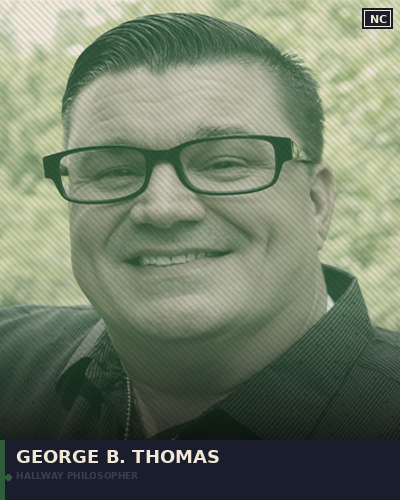
 MA
MA