
The Road to UNBOUND Office Hours - Return on Involvement, and Where the Serendipity Actually Happens
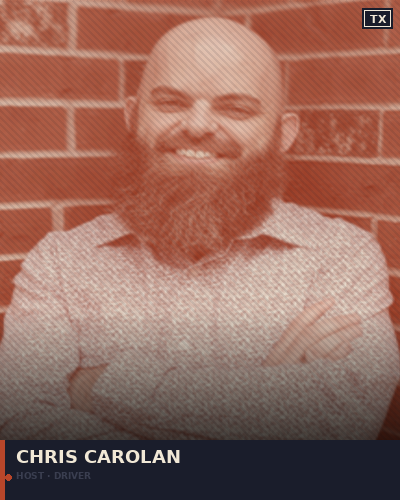
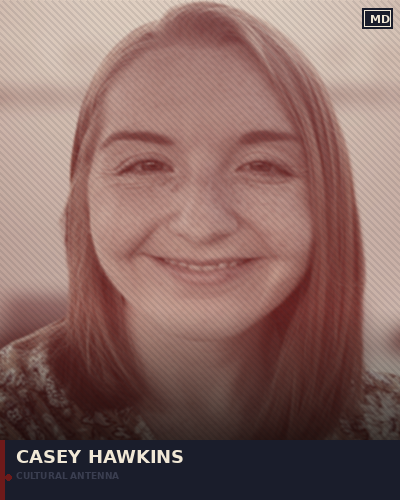
Hosts: Chris Carolan, Casey Hawkins, Rob Jones, George B. Thomas · Guests: Karin Tamir, Joshua Oakes
August 20, 2026 · 49:40
Two guests at opposite ends of the same road: Karin Tamir on her third INBOUND-turned-UNBOUND, Joshua Oakes on his first. The hour turns into the most honest accounting this show has done of what the trip is actually worth when nobody is going there to close a deal - and then, once Joshua asks the practical question nobody usually asks out loud, into the specific mechanics of making the good part happen.
Moments from this stop
13 short cuts from this conversation.
 Chris Carolan"What's the between-session way to make that serendipity happen?"
 Rob Jones"Have you met Ted" - the second-degree introduction
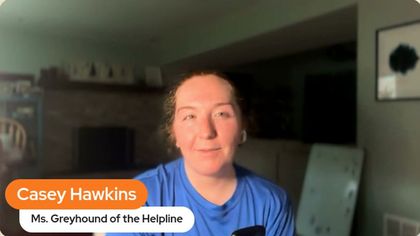
 Casey Hawkins"For me, this is the real ROI"
 Chris Carolan"I felt like Taylor Swift"
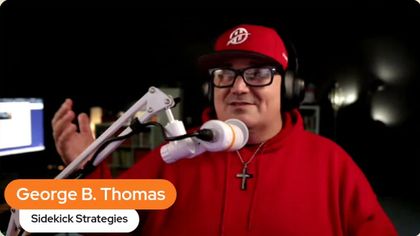
 George B. Thomas"Don't worry about the sessions"
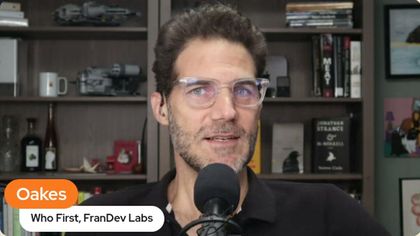 Chris Carolan"Usually they're necessary and soul crushing"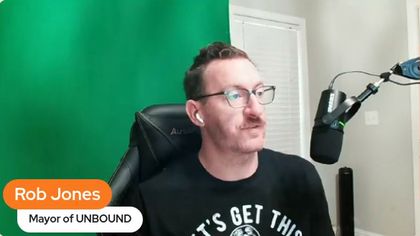
Key takeaways
Return on involvement, not return on investment.
George's rename for the whole trip: the more you involve yourself in what is happening, the more serendipity gets to happen afterward - and he stopped trying to calculate it years ago, after people surfaced six and eight years later saying I saw you at INBOUND.
"For me, this is the real ROI."
Karin has never treated UNBOUND as something to calculate a return on. It is networking and content - the wild ideas, the product managers, the hero stages - and when a friend calls from the floor asking why she is not closing customers too, the answer is no.
Value that never exchanged money is still value, and it is uncomfortable.
Casey named it live: she and Karin have never worked together and never exchanged money, which is usually what we call value, and she is in real time struggling with that. Nobody on the call resolved it, which is why it is the honest moment of the hour.
Populated areas during the day, Westin Lobby at night.
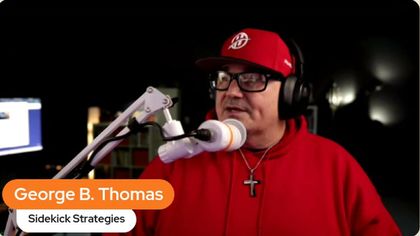
George's actual mechanics for making serendipity happen: sit next to people you do not know, because your instinct is to find the one face you recognize. The lobby is the masterclass - and the long Starbucks line is an hour of conversation you were going to spend standing anyway.
"Have you met Ted."
Rob's second-degree move, which Casey did by accident last year with Jay Schwedelson. Walking up cold feels like an interruption; being handed to someone by a person already standing there does not.
"Nothing that I'm going to is more important than you."
George's standing offer to anyone watching - stop him in the halls, walk with him, meet people as he goes. The only exception is if he is due on stage, and even then you are invited to come along.
Don't worry about the sessions.
Karin's first INBOUND was all sessions; now she wanders. As a partner the ones that earn the slot are the hands-on rooms, the hero stages and Clouds - and everything the trip is actually for happens off-session.
By the time you can articulate the question, it is not your problem anymore.
Joshua on why the inbound model strains under AI: it assumes people can name what they are dealing with, and this is not a learning journey, it is a breaking wave. What people can actually type is help please, question mark.
Adopt a buddy system for content.
The best thing they ever did was accidental - a videographer in Boston who simply recorded everything. Someone who gets the candids lets you pay attention to the conversation instead of performing it, and spares you the fifteen-minute talk nobody captured.
Chapters
- 00:00Cold open, and welcome to not-Another-Orange-Morning
- 00:31Office Hours, August 20: Karin and Oaks on the bus
- 01:03Recording since May, and props to Casey for getting it going
- 02:03Why there is an earlier Office Hours: the insiders are international
- 03:01Karin's third INBOUND, and the buzz that starts a month out
- 04:35The years she could not afford to go
- 05:04"Once you're there, you're hooked"
- 06:08"I felt like Taylor Swift" - three people, one LinkedIn face
- 07:03Community is the thing that keeps her coming back
- 07:58George's annual maybe-I-won't-go, and why he always goes
- 08:53Joshua's first UNBOUND: "usually they're necessary and soul crushing"
- 09:20Chris's incessant needling, and the year it wasn't in the cards
- 10:29The undertow: the part of UNBOUND that is the opposite of UNBOUND
- 11:55Getting pulled out of the undertow by a real question
- 12:22"I can count on one hand the booths I want to visit"
- 12:49Partners are not the buyer, and the vendors don't know it
- 13:18The perfume kiosk at the mall, and the Heisman
- 14:15A year of relationships that become real life in one room
- 14:44Casey: "we've never exchanged money, which is usually what we call value"
- 15:16The show floor redesign, and booth duty versus the reason you came
- 16:47Karin: "I never treated it as something to calculate ROI for"
- 17:45Ideas for content and implementations - "this is the real ROI"
- 18:15The friend closing customers, and the answer that is still no
- 18:45George: it is return on involvement, not return on investment
- 19:42The YouTube tutorial that turned into years of work
- 20:38You involve yourself all year round, not on the floor
- 21:31Walking your own customer over to meet Max
- 21:59Karin's trigger point: home from San Francisco, and into AI
- 23:53A year of consumed content, and INBOUND as the final layer
- 25:21Why the name changed: loop marketing, the updates, and Breeze
- 26:20There is no inbound way to introduce all of this at once
- 27:20Joshua: inbound assumes you can articulate the question
- 28:08"By the time you can articulate it, that's not the problem anymore"
- 29:13This year's program: workshops, AMAs, and real conversation
- 30:38Joshua's question: what is the between-session move?
- 31:04Black boxes on the schedule, and everything but the sessions
- 33:03Rob arrives: "my name is Rob, so I can help you do that"
- 33:57Populated areas, and sitting next to people you don't know
- 34:24Do not sleep on the Westin Lobby
- 35:50"Have you met Ted" - the second-degree introduction
- 36:17Casey doing it by accident with Jay Schwedelson
- 36:45Why the hallway feels like an interruption and the lobby doesn't
- 37:14"Nothing that I'm going to is more important than you"
- 37:42On the word interrupt: have some guts and go for it
- 38:36Karin's first INBOUND was all sessions. Then it wasn't.
- 40:07"Don't worry about the sessions" - you feel it off-session
- 41:06The three or four sessions that do earn the slot
- 42:30Walking toward product managers who see you coming
- 43:01"The most big-eared SaaS company I've met in my life"
- 44:01Five minutes left: what is everybody doing for content?
- 44:31George: if it excites me, or if someone asks, the answer is yes
- 45:54"I don't have a strategy, Oaks. Now I'm stressed."
- 47:18Joshua: the terror of "I should have recorded that"
- 48:08The buddy system: someone who gets the candids
- 48:28"Exculpates" - the word of the day, in at the buzzer
- 49:11Appreciate you, Karin, Oaks, Rob
Transcript
The guests
Keep learning
That's one stop. The whole road is here.
Wednesdays at 10am Central, from the first ride in April to Boston in September.
One note when a new episode lands. No noise.
All 13 cuts on one page, each with a ready-to-post caption and a download. Nothing to edit.
On the bus
 MD
MD